
Rooted in learning: why food education matters
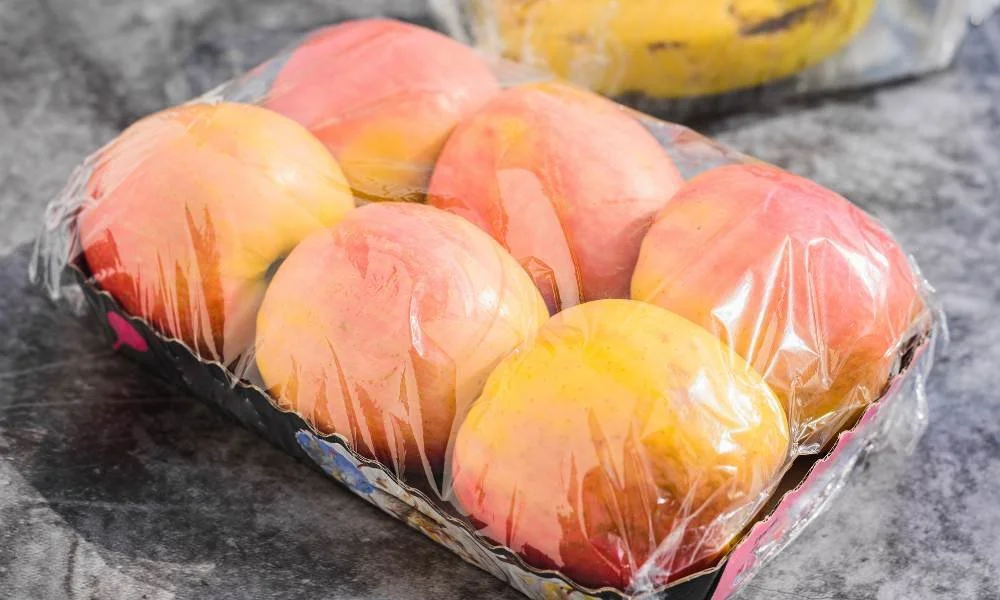
One in three children don’t know that bananas grow on trees, 2 in 5 that potatoes grow underground and 1 in 5 think fruit and vegetables are nothing to do with farms and are only available from shops. These terrifying statistics were recently collated by Hello Fresh.
Rooted Chippenham was honoured to be invited to discuss these concerning findings with BBC Wiltshire’s radio presenter Sue Davies last week. You can listen to our segment here on this page, or via this link for the full broadcast.
The cost of convenience
Our conversation was clearly going to involve addressing the challenges of engaging the new generation with current food systems. As it’s so easy for us to get caught up in daily routine of survival, we could have simply agreed that these were concerning findings and brushed off the importance and significance of these kinds of facts. Yet to help drive a change in knowledge and behaviour, it is important to first understand the fundamentals as to why a change is necessary. And so preparation for this aired discussion provided a welcome opportunity to contemplate the bigger picture at play.
Food is the language of love, a way of demonstrating care for yourself and others, providing so much more than nourishment. Yet our busy modern lifestyles necessitate quick, convenience food, frequently laden with additives and almost always coated in single-use plastic. It is perhaps no wonder that children struggle to connect plastic-covered fruit and vegetables with their humble earthy beginnings. Growing reliance on ultra-processed foods is associated with rising rates of obesity and a range of chronic health conditions. Instead, we should be trying to get back to treating food as our medicine, stripping back our diets to eat simple, organic, predominantly plant-based and unprocessed meals.
Learning beyond the classroom
This disconnect extends far beyond the food on our plates. In today’s society, it frequently feels like our individual value and worth is based on how productive and efficient we can be. As a result, sadly many of us have lost the ability to play as adults. If we can’t be captivated and in awe of how delicious food originates from tiny seeds, how can we expect our children to be curious and engaged?
Instead of defaulting to school teachers and textbooks, green spaces should be viewed as interactive outdoor classrooms for children, and adults, to observe soil health, water cycles and pollinators, as well as discuss the negative impacts that chemical and fossil fuel reliance have on biodiversity and climate change.
Fortunately, community growing spaces can help bridge this gap. Rooted has always been based on the permaculture principle of stacking functions, even if unknowingly in the beginning. We initially set out to provide a welcoming space for our local community to grow and share fruit and veg to address our personal concerns about climate change, food security and physical health.
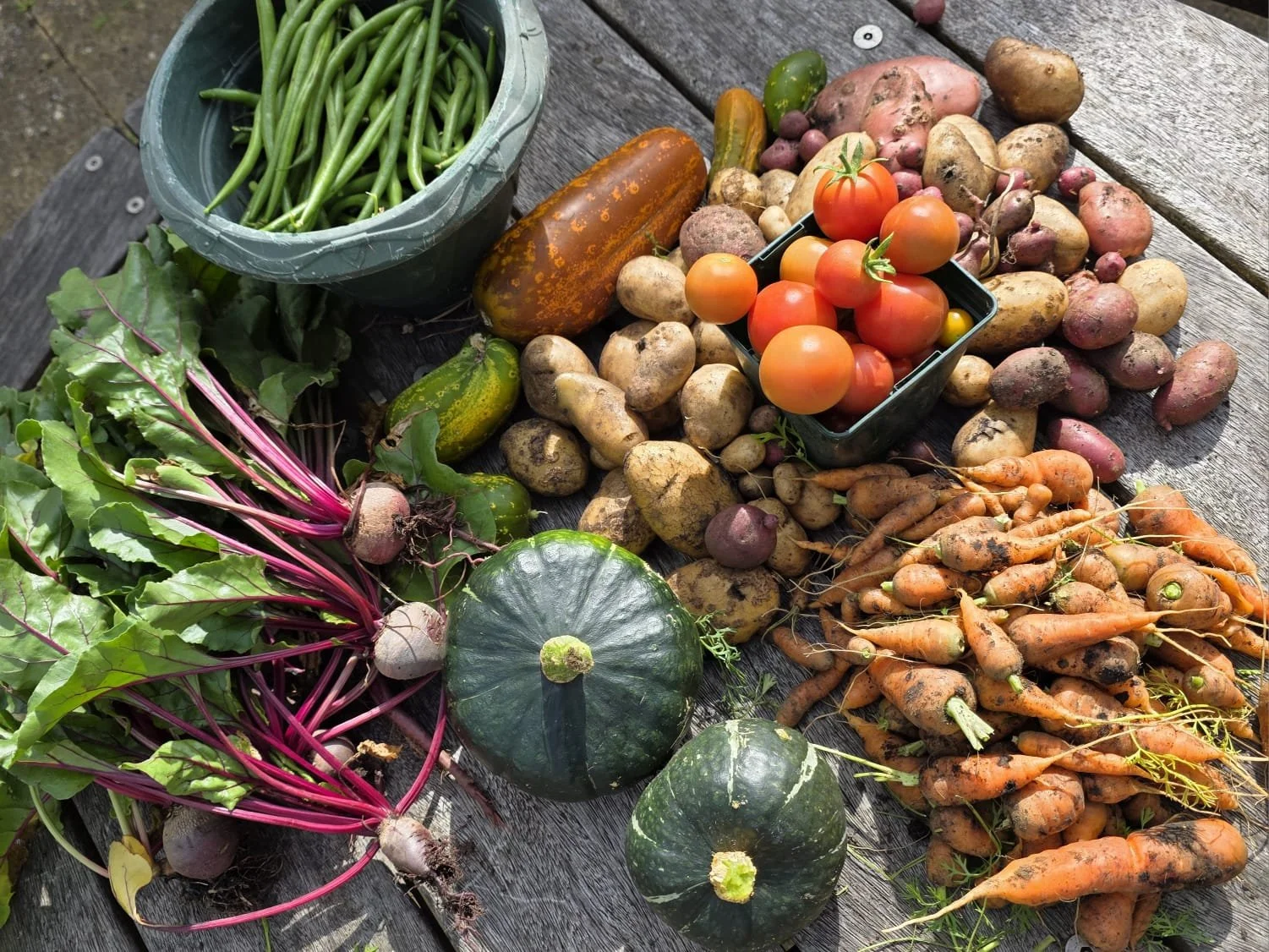
However, coming out of the COVID-19 pandemic, we quickly realised the importance of social connection and the impact on mental health. We also felt a sense of duty to educate and to encourage others to share their knowledge and experiences too; Hello Fresh’s recent survey highlights how necessary this education is.
This year’s conflicts, extreme heat and widespread drought offer a glimpse of the challenges our collective future may hold. Strengthening local food systems can help communities become more resilient, adaptable and less vulnerable to global disruptions. We need to be encouraging the next generation to learn these vital skills to avoid external dependency and fragility. Therefore, we need to lead by example by demonstrating responsible stewardship.
Learning from nature
So yes, whilst we are concerned that 20% of children don’t know that fruit and vegetables originate on farms rather than in shops, we are even more concerned that this may be just the tip of the iceberg. The lack of fundamental knowledge about the delicate ecosystems at play or awareness of the personal and planetary impacts of children, and many adults, not knowing where potatoes come from urgently needs addressing.
With a renewed sense of purpose, we hope that through Rooted we can contribute to this vital need. Join us for our next monthly meet up, Saturday 5th September 10am at the Wiltshire and Swindon History Centre; children and families will be most welcome.